The Build Behind the Brew: A Commercial Coffee Shop Build-Out in Laguna Hills
Some construction projects are about making a space look beautiful. Others are about making the space actually work.
A coffee shop build-out is both.
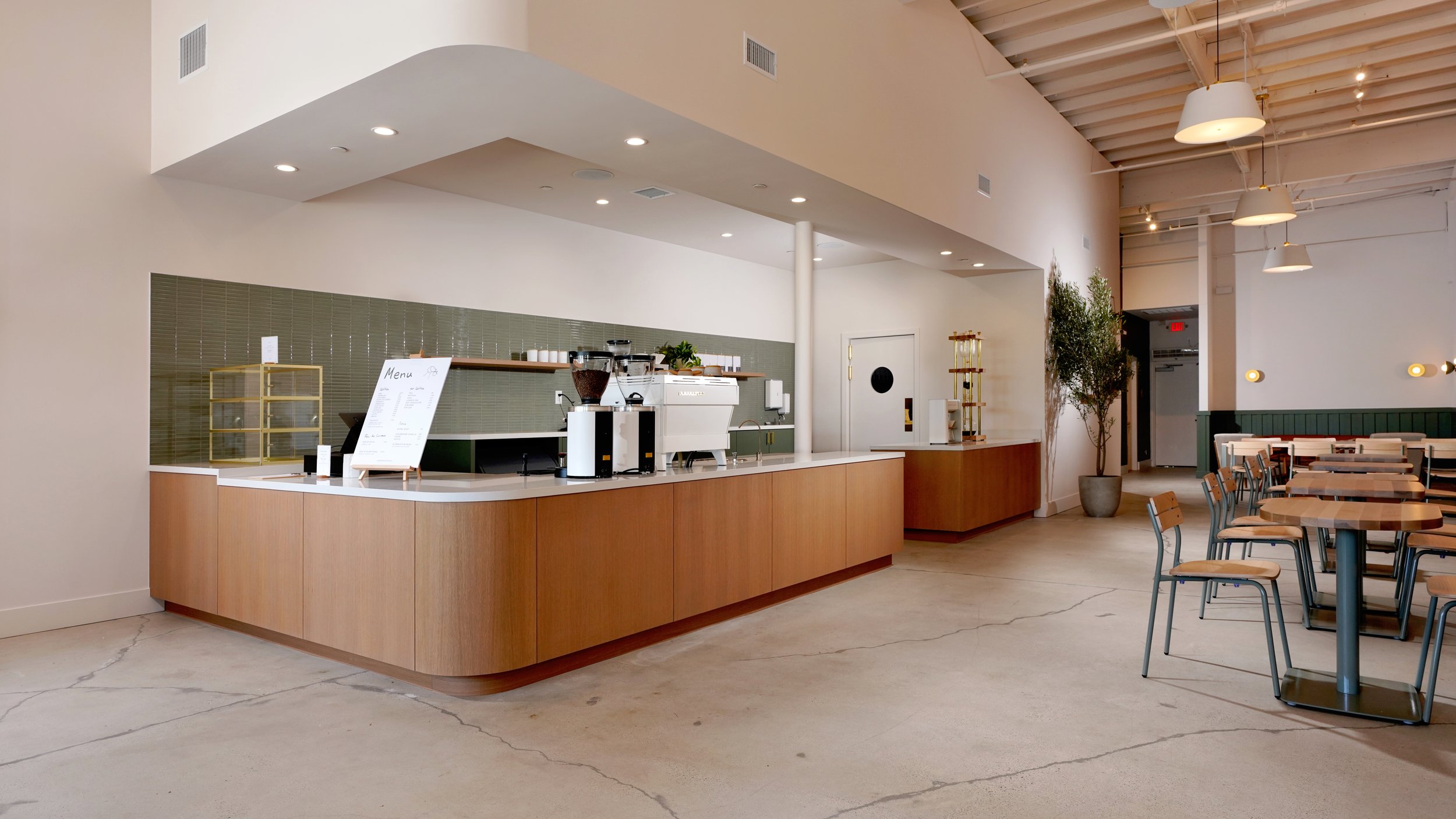
For this project, we transformed an existing retail storefront into a fully functioning commercial coffee shop.
Check out: Bird Dog Coffee, located at 26548 Moulton Parkway, Laguna Hills, CA 92653.
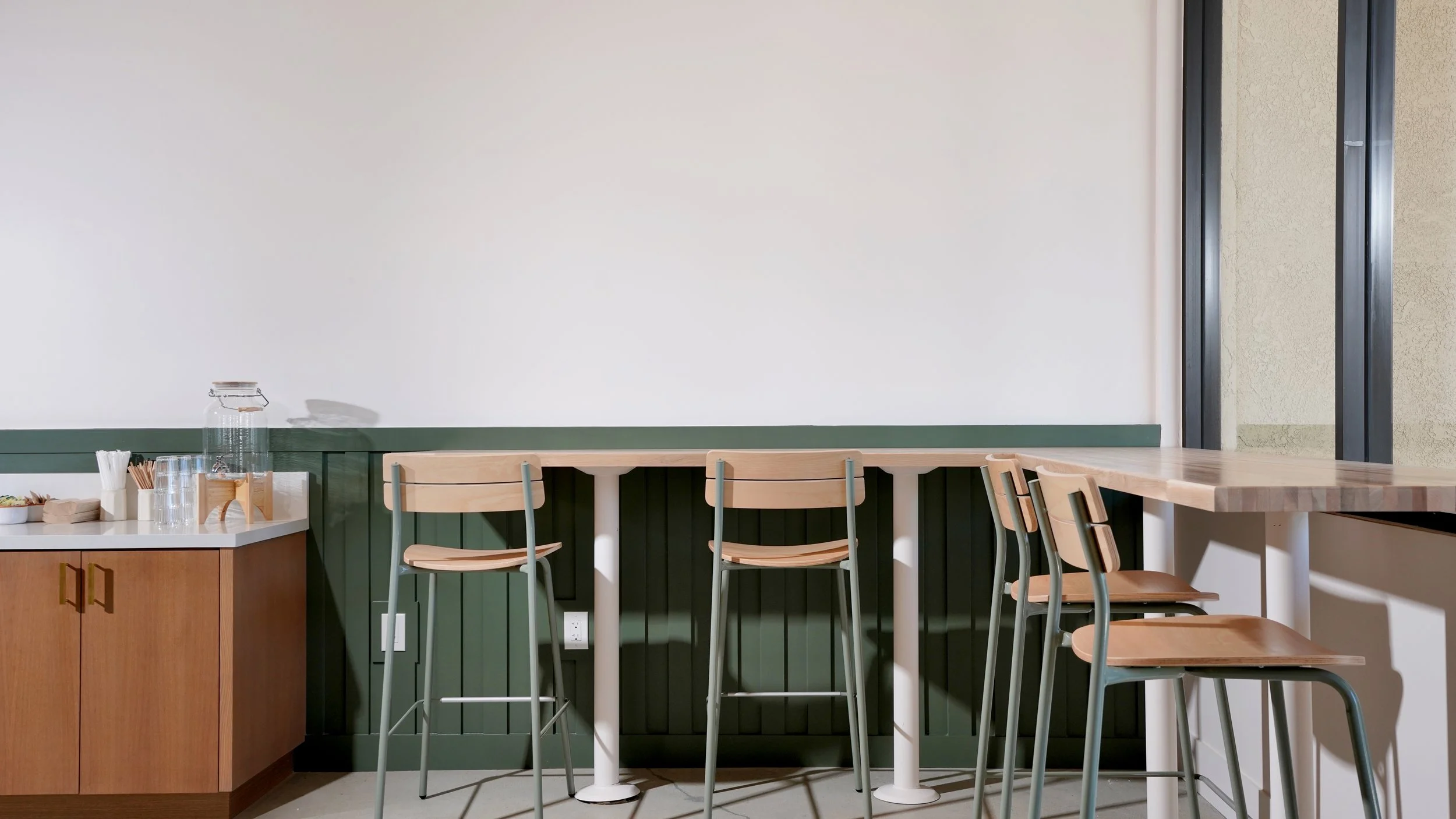
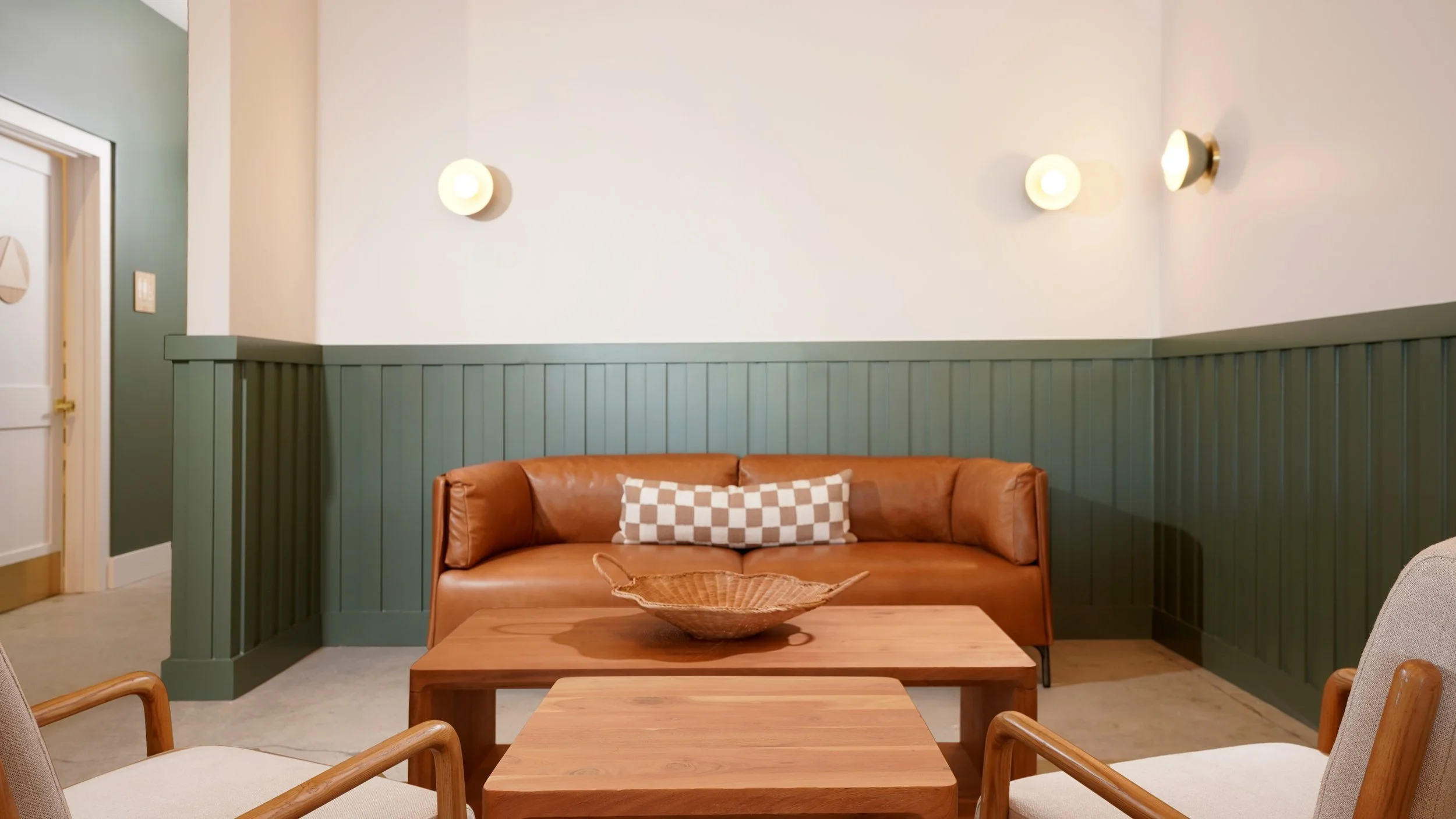
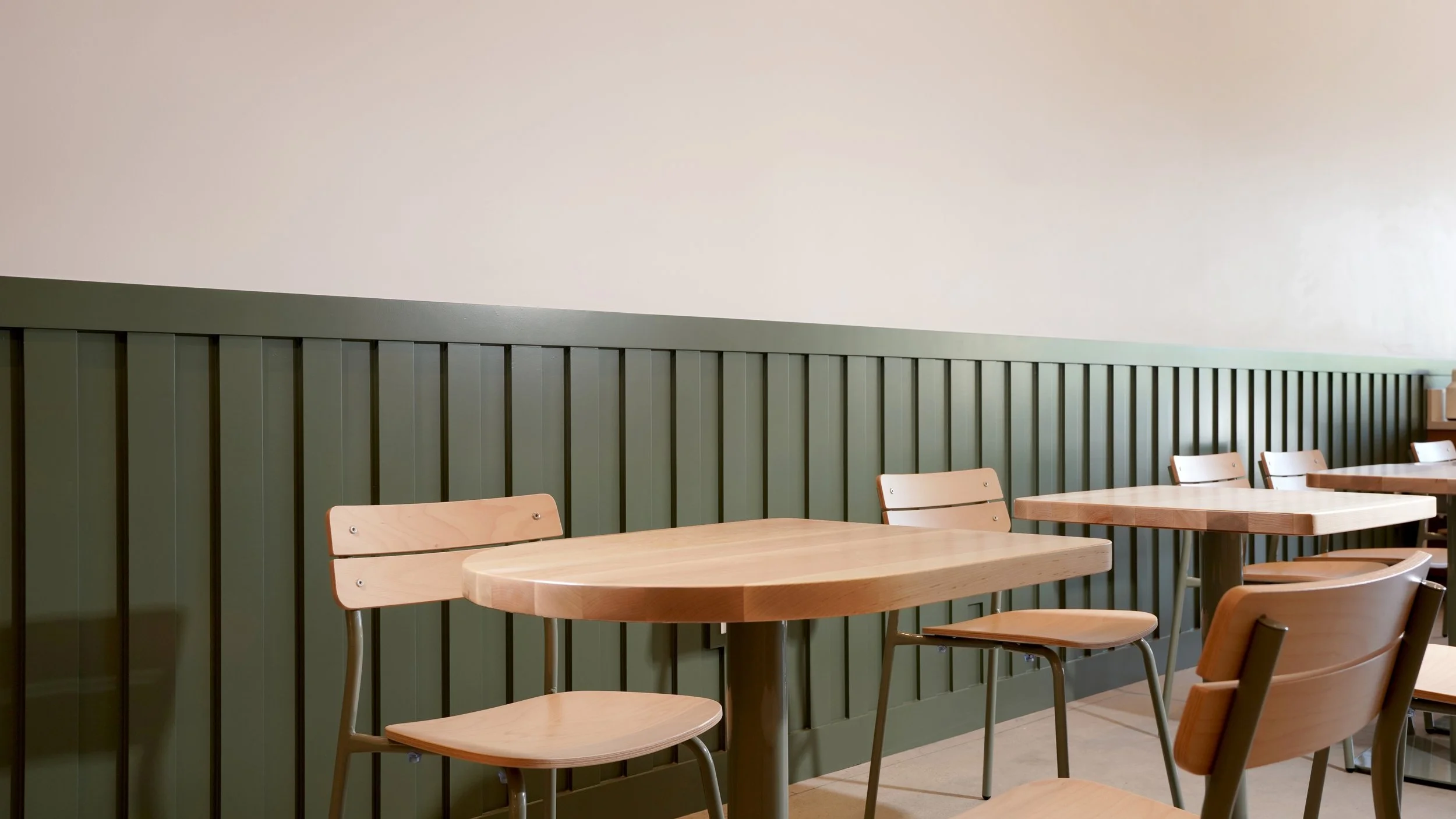
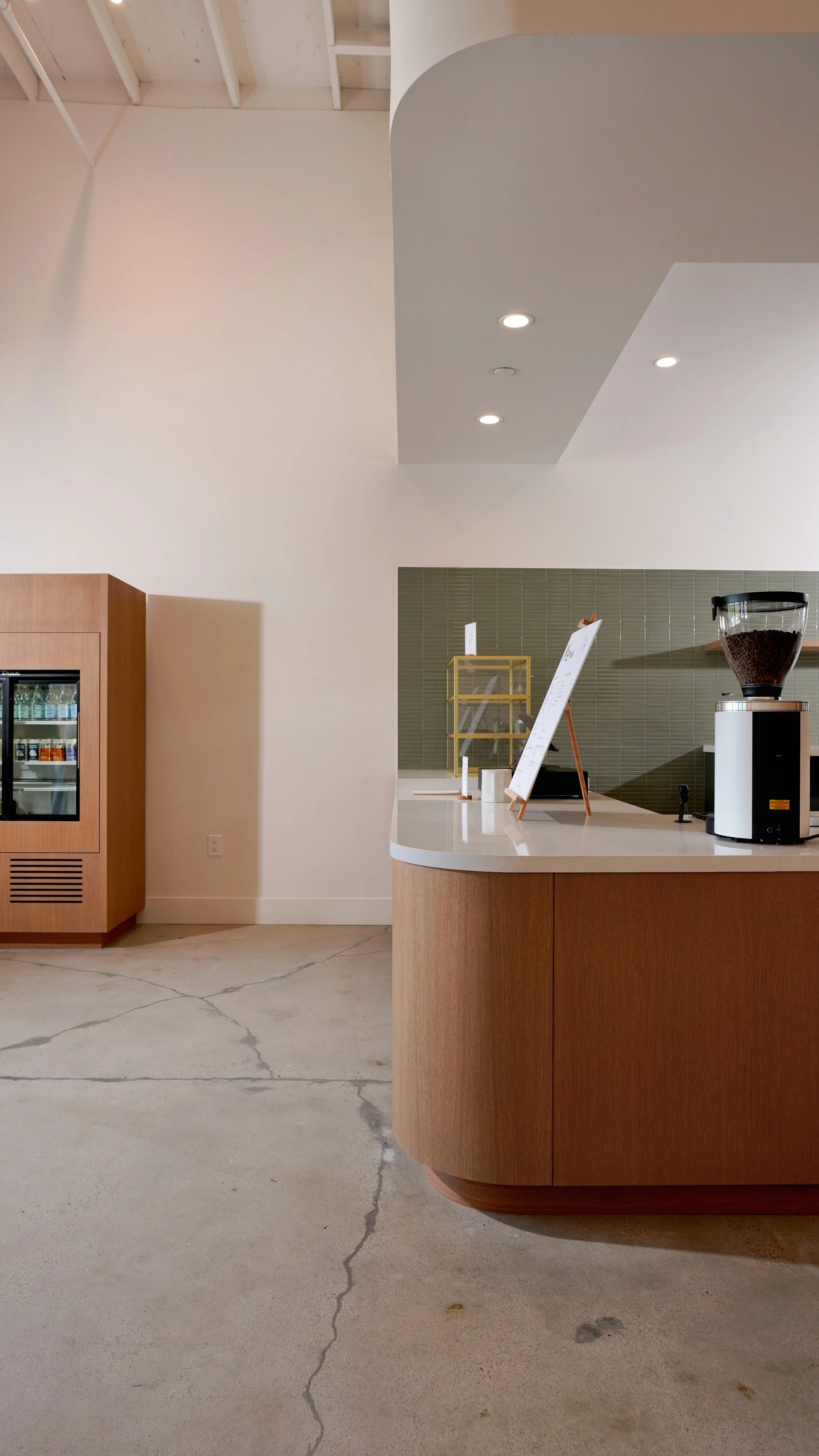
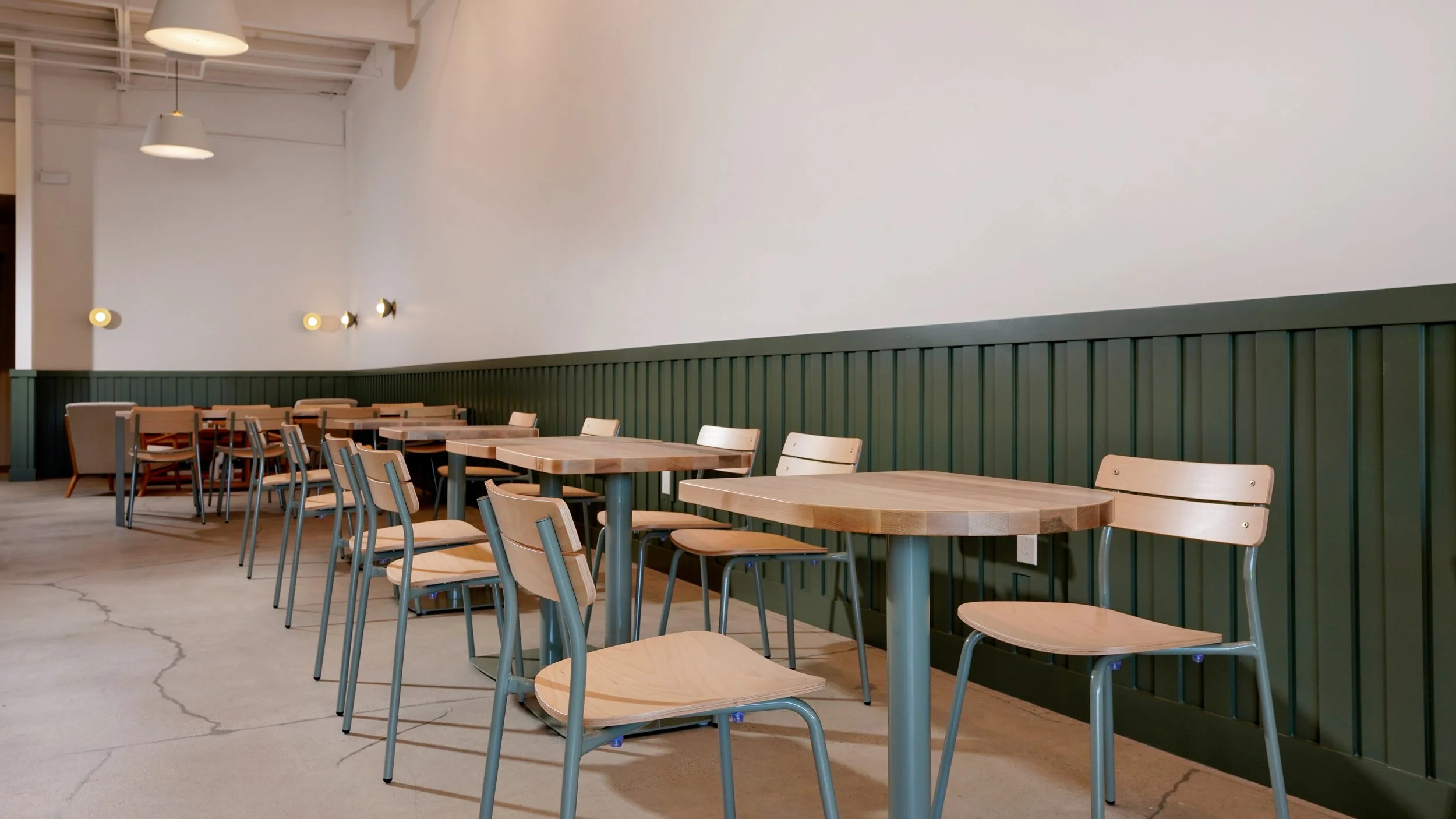
On the surface, the finished space may eventually be remembered for the details people can see: the counter, the finishes, the lighting, the ceiling height, the seating, the flow, and the overall feel of the space.
But the real work happened behind the walls, above the ceiling, under the slab, and throughout the coordination process.
This was not just a cosmetic tenant improvement. It was a full commercial build-out that required new infrastructure, mechanical coordination, plumbing, electrical, equipment planning, ceiling work, inspections, and a clear understanding of how the space needed to function once it opened for business.
Turning a Retail Storefront Into a Working Coffee Shop
Retail spaces and coffee shops may both be commercial spaces, but they do not function the same way.
A typical retail storefront may be designed for display, checkout, storage, and customer browsing. A coffee shop has a much more technical set of requirements. It needs water, drainage, dedicated electrical, equipment clearances, food-service functionality, staff workflow, customer circulation, proper lighting, ventilation, and code compliance.
That means the build-out has to start with the less visible questions.
Where does the espresso machine go? Where does the plumbing need to run? What equipment requires dedicated power? How will employees move behind the bar during a rush? Where do customers order, wait, pick up, and sit? What does the health department need to see? What will the city require before opening?
Those are the details that determine whether the space only looks like a coffee shop or actually operates like one.
The Infrastructure Behind the Experience
The parts of a coffee shop that customers notice are usually the finishes, the menu, the lighting, and the atmosphere. The parts that make the business run are much less glamorous.
For this project, the transformation required adding and coordinating the core infrastructure needed for a commercial coffee operation. That included plumbing, electrical, and the behind-the-scenes systems that support the equipment, bar layout, prep areas, and day-to-day use of the space.
Coffee shops are especially infrastructure-heavy because the equipment is not plug-and-play in the way people often assume. Espresso machines, grinders, refrigeration, ice machines, water filtration, sinks, dishwashing areas, point-of-sale systems, lighting, and HVAC all create specific construction needs.
Before the pretty parts can happen, the rough-in has to be right.
That is where the build either becomes smoother later or starts creating problems that show up during inspections, equipment installation, or opening week.
Water Quality Matters More Than People Think
One of the details we coordinated on this project was the reverse osmosis system, often called an RO system. It is one of those behind-the-scenes pieces of a coffee shop build-out that customers may never notice, but it can make a huge difference in how the business operates.
Coffee is mostly water, so water quality directly affects taste, consistency, and equipment performance. If the water has too many minerals, chlorine, sediment, or other impurities, it can change the flavor of the coffee and create buildup inside expensive equipment like espresso machines, brewers, ice machines, and filtration lines.
For a commercial coffee shop, an RO system helps create more consistent water quality by filtering the water before it reaches key equipment. That matters because the coffee needs to taste the same every day, not change depending on the condition of the incoming water supply.
It also matters from a maintenance standpoint. Better water quality can help reduce scale buildup, protect equipment, and support the long-term performance of the systems the shop relies on every day. In a space like this, where the espresso machine, sinks, filtration, and prep areas all need to function smoothly, the RO system is not just a technical upgrade. It is part of building the shop correctly.
This is a good example of the kind of planning that happens in a commercial build-out before the space ever looks finished. The design might be what people see first, but the infrastructure behind the counter is what keeps the business running.
Raising the Ceiling and Changing the Feel of the Space
One of the biggest visual transformations in this project was raising the ceiling roughly five feet from the original drop ceiling into an exposed ceiling condition.
This kind of change makes a huge difference in how a commercial space feels. A low drop ceiling can make a storefront feel flat, dated, and compressed. Opening it up creates height, volume, and a much more intentional environment.
But raising a ceiling is not just a design decision. It becomes a construction and coordination exercise.
Once the drop ceiling is removed, everything above it has to be addressed. Ducting, conduit, sprinkler lines, framing, lighting, insulation, access requirements, and fire/life safety systems all need to be evaluated, cleaned up, rerouted, painted, or intentionally integrated into the final design.
An exposed ceiling can look simple when it is finished, but getting there takes planning. The ceiling becomes part of the design, which means the “mess” above the old ceiling can no longer stay hidden.
The Unsexy Work That Makes the Space Usable
Commercial build-outs are full of unsexy work, and that work matters.
It is the saw cutting, trenching, plumbing runs, electrical panels, dedicated circuits, equipment coordination, venting, inspections, patching, framing, drywall, waterproofing, fire requirements, accessibility details, and finish sequencing that make the project successful.
None of those items are usually the reason someone falls in love with a coffee shop. But they are the reason the espresso machine works, the sinks drain properly, the lights function, the space passes inspection, the staff can work efficiently, and the business can actually open.
This is why commercial tenant improvements require more than just a good design concept. They require a builder who understands the operational side of the space.
A coffee shop is not only an aesthetic environment. It is a working business with a lot of moving parts.
Planning Around Equipment, Workflow, and Code
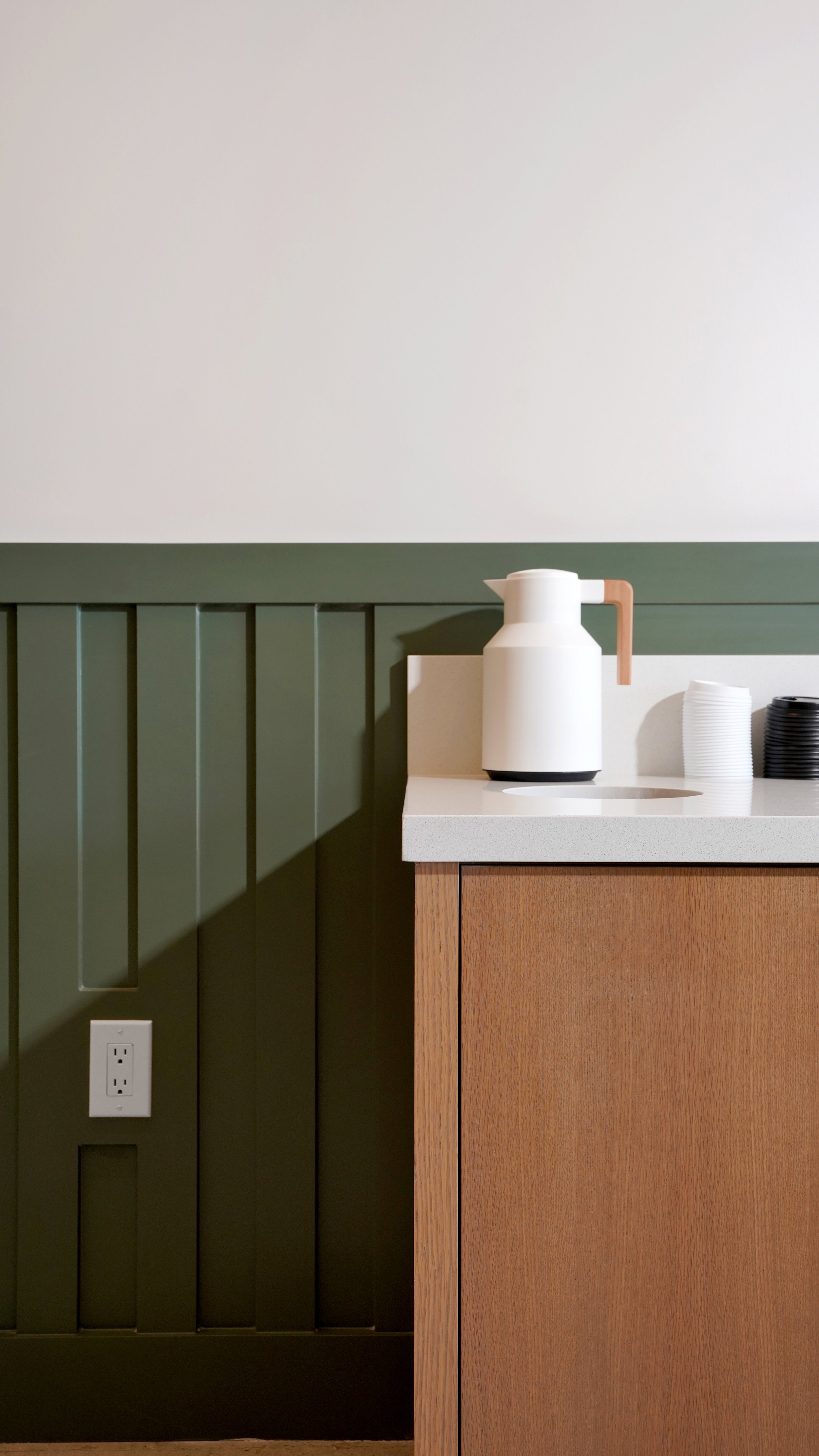
One of the most important parts of a coffee shop build-out is coordinating the construction around the equipment plan.
The equipment determines much more than the final layout. It affects plumbing locations, electrical requirements, counter dimensions, clearances, filtration systems, drainage, refrigeration, storage, and staff workflow.
If those details are not coordinated early, the project can get expensive quickly. Moving a sink, adding power, changing a counter, adjusting tile, or rerouting plumbing after finishes have started is much harder than planning it correctly up front.
For this reason, commercial coffee shop construction needs close coordination between the owner, designer, architect, equipment vendor, general contractor, subcontractors, and any city or health department requirements.
The goal is to make sure the space is beautiful, but also practical, inspectable, and ready to operate.
Permits, Inspections, and Commercial Coordination
Commercial projects involve a different level of coordination than residential remodels.
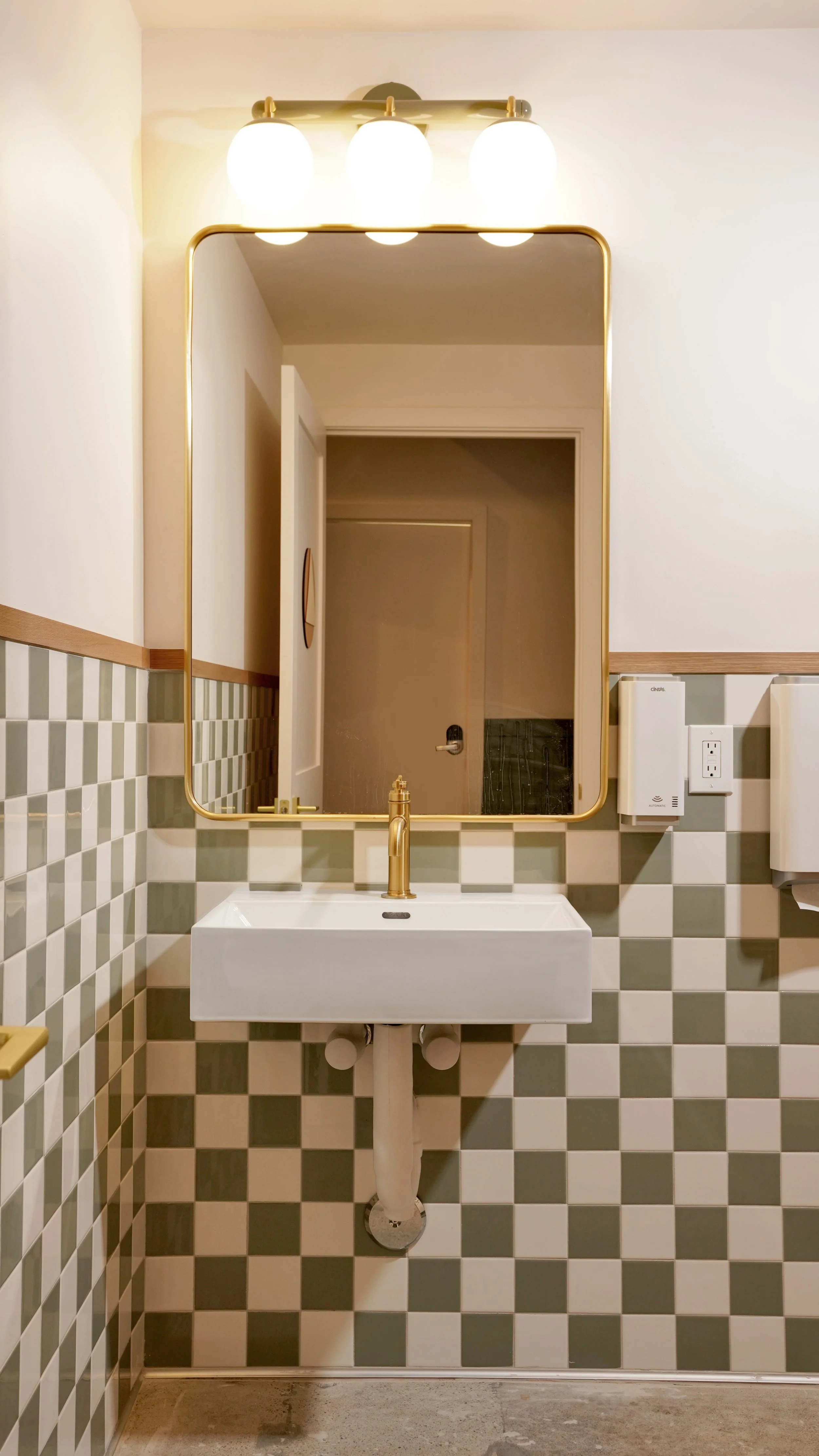
A coffee shop build-out may involve city permits, health department review, fire and life safety requirements, accessibility requirements, utility coordination, and multiple inspections before the space can open to the public.
For a business owner, these steps can feel frustrating because they are not always visible progress. But they are critical.
The walls cannot close until rough inspections are passed. Equipment cannot be installed until the infrastructure is ready. Final finishes cannot always move forward until key approvals happen. Opening day depends on much more than whether the space looks complete.
A good commercial build-out process keeps those requirements moving in the background while the visible construction continues forward.
Building for the Customer and the Team Behind the Counter
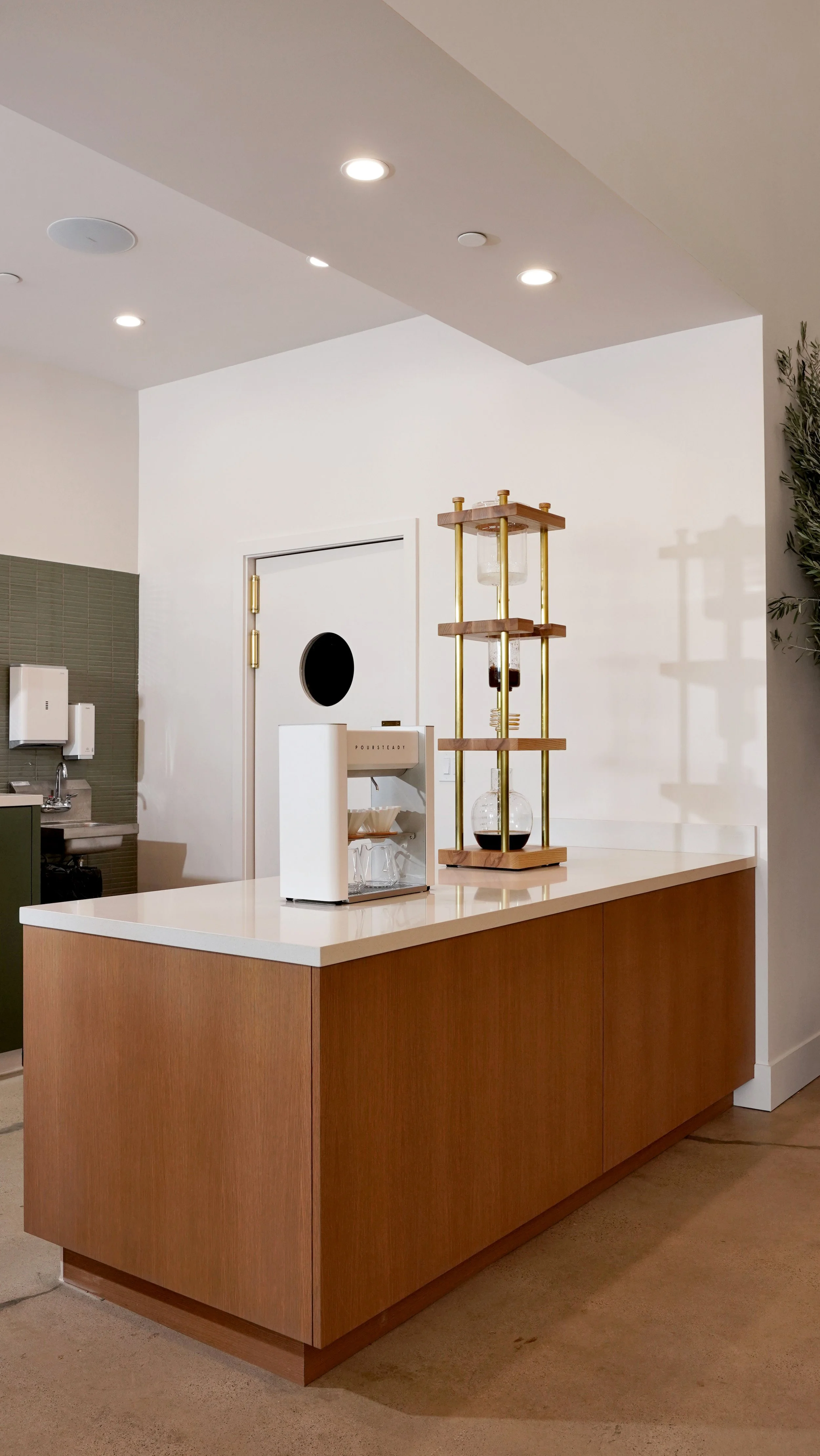
A successful coffee shop has to work for two groups of people at the same time: the customer and the team operating the business.
Customers need a space that feels welcoming, intuitive, comfortable, and easy to move through. They need to understand where to order, where to wait, where to pick up, and where to sit.
The team behind the counter needs something different. They need speed, access, storage, cleanability, power, water, drainage, equipment placement, and enough space to work safely during busy hours.
When those two sides are planned well, the space feels effortless. Customers do not notice the operational details because everything flows naturally.
That is usually the sign of a strong build-out.
Why This Coffee Shop Build-Out Works
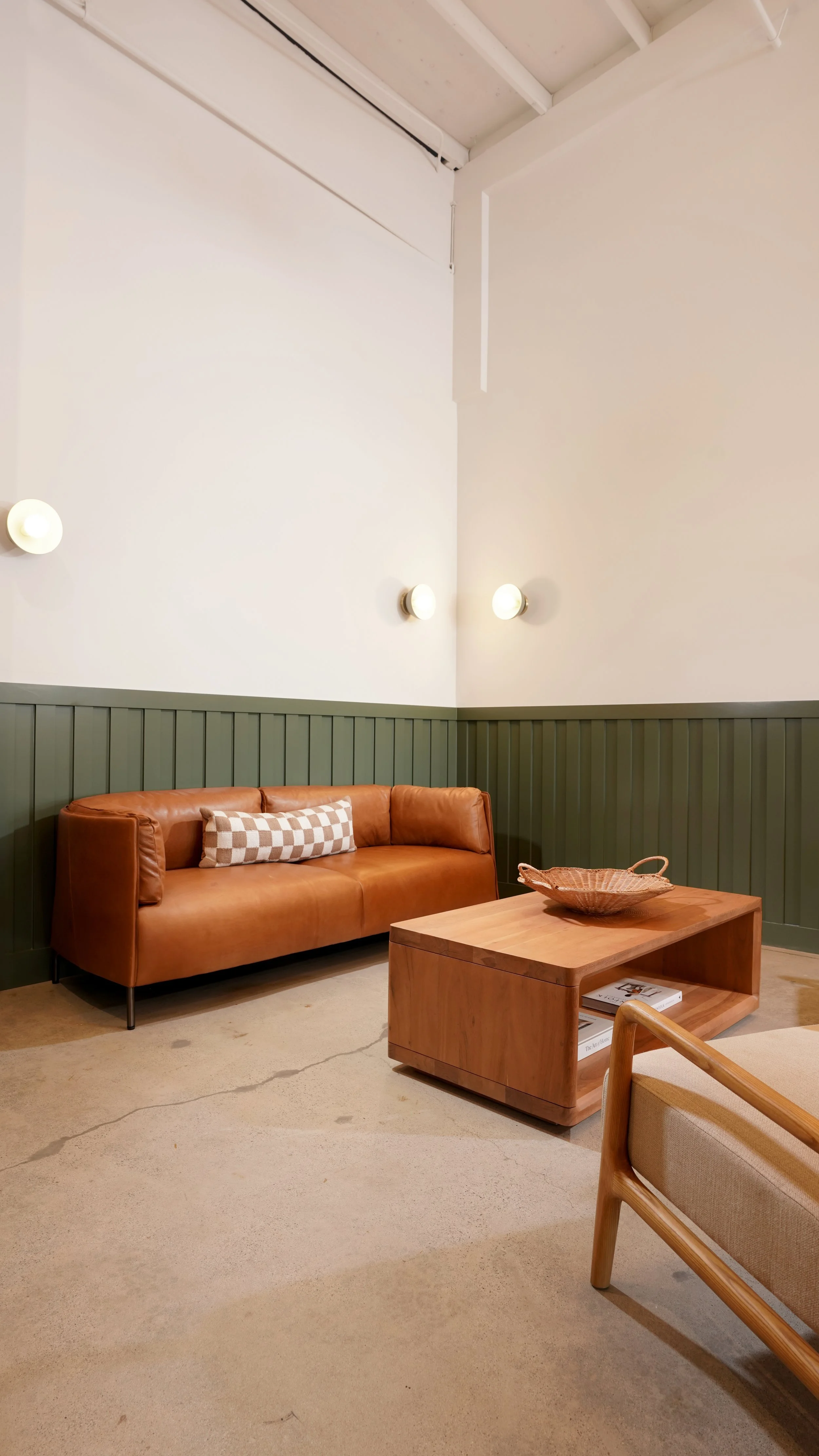
This project works because it was treated as more than a pretty interior.
The transformation from retail storefront to coffee shop required planning the bones of the space first. We had to think through the infrastructure, the ceiling height, the equipment needs, the plumbing and electrical work, the RO system, the inspections, the workflow, and the finish details that would eventually shape the customer experience.
The final result is not just a space that looks like a coffee shop. It is a space built to function as one.
For commercial projects like this, the finished design is only one part of the story. The real value is in the planning, coordination, and construction work that allows the business to operate smoothly once the doors open.
Thinking About a Commercial Build-Out in Orange County?
Way of Life Construction is an Orange County general contractor specializing in commercial build-outs, tenant improvements, custom homes, major remodels, additions, and ADUs.
If you are planning a coffee shop, retail space, office, studio, or other commercial tenant improvement, our team can help you think through the scope, infrastructure, permitting, build-out process, and construction details needed to bring the space to life.
Ready to build out your commercial space?
Contact us to start the conversation.