ADUs in Orange County: Laws, Costs, ROI, and Why More Homeowners Are Building Them
Why ADUs Are Everywhere Right Now
If it feels like everyone in Orange County is talking about ADUs, it’s because they are.
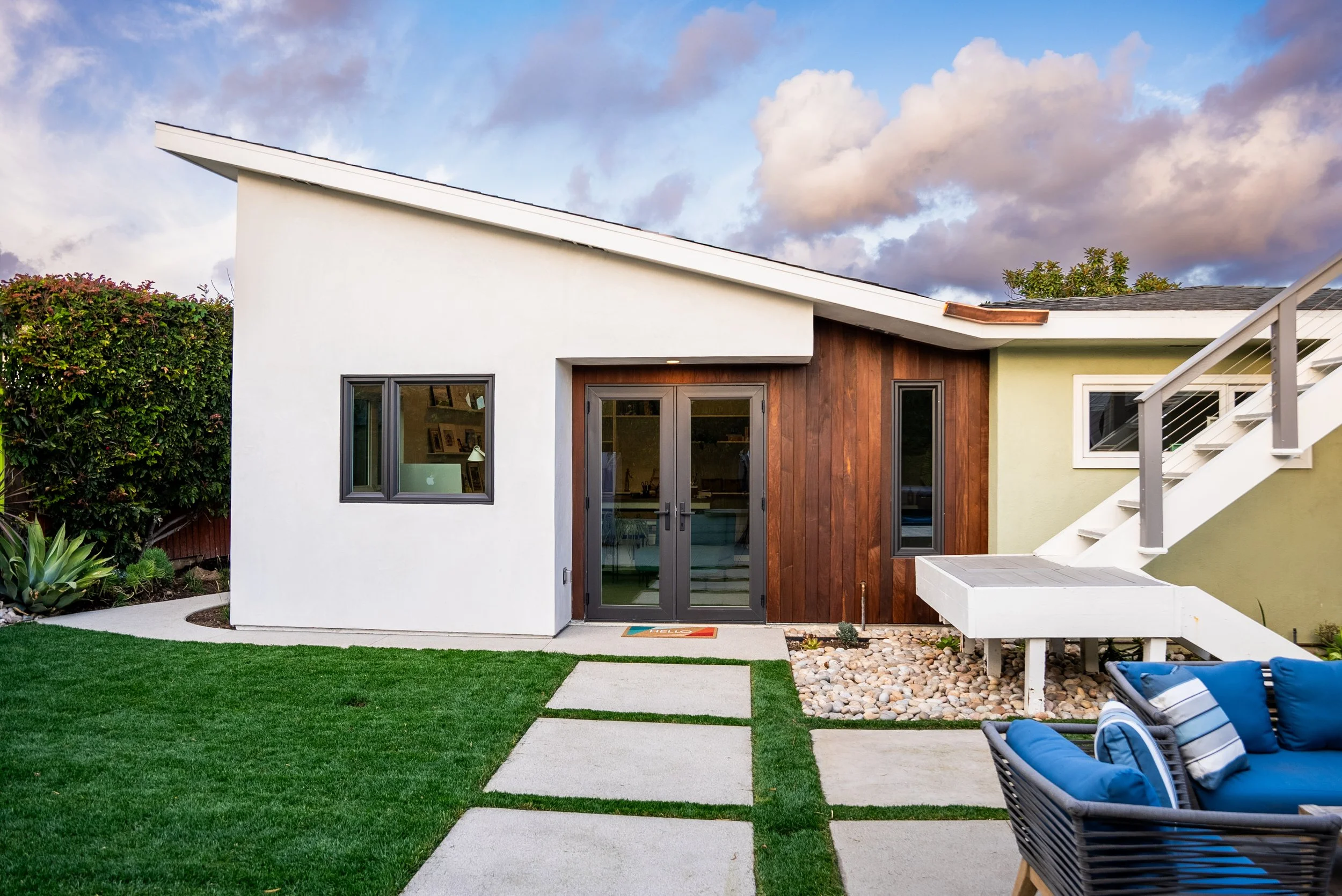
Accessory Dwelling Units—often called granny flats, guest houses, or backyard homes—have gone from a niche idea to one of the most practical ways to add space and value to a property.
That shift didn’t happen by accident. It’s largely driven by changes in California law, combined with rising home prices and a growing need for flexible living options.
For a lot of homeowners, an ADU is no longer just an add-on. It’s a strategy.
What California Law Allows (and Why It Matters)
Over the past several years, California has passed a series of laws specifically designed to make ADUs easier to build.
At a high level, here’s what that means for homeowners in Orange County:
Single-family properties can typically build at least one ADU and one Junior ADU (JADU)
Parking requirements are often waived, especially if you’re near transit or converting existing space
Owner-occupancy requirements have been relaxed (in most cases)
Cities are required to approve compliant ADU applications ministerially—meaning no discretionary review or subjective denial
Setbacks are reduced, often allowing ADUs to be built closer to property lines than primary residences
Garage conversions are protected, even if they eliminate parking
These laws have taken what used to be a complicated, uncertain process and made it far more predictable.
That predictability is a big reason more homeowners are moving forward with ADU projects.
What ADUs Are Actually Used For
The flexibility of an ADU is what makes it so valuable.
We’ve built ADUs for a range of uses, and in many cases, the purpose evolves over time.
For some homeowners, it’s about rental income. A well-designed ADU in Orange County can generate steady monthly cash flow, especially in high-demand areas.
For others, it’s about family—a place for aging parents, adult children, or extended family to live nearby while maintaining independence.
We also see ADUs used as:
Guest houses
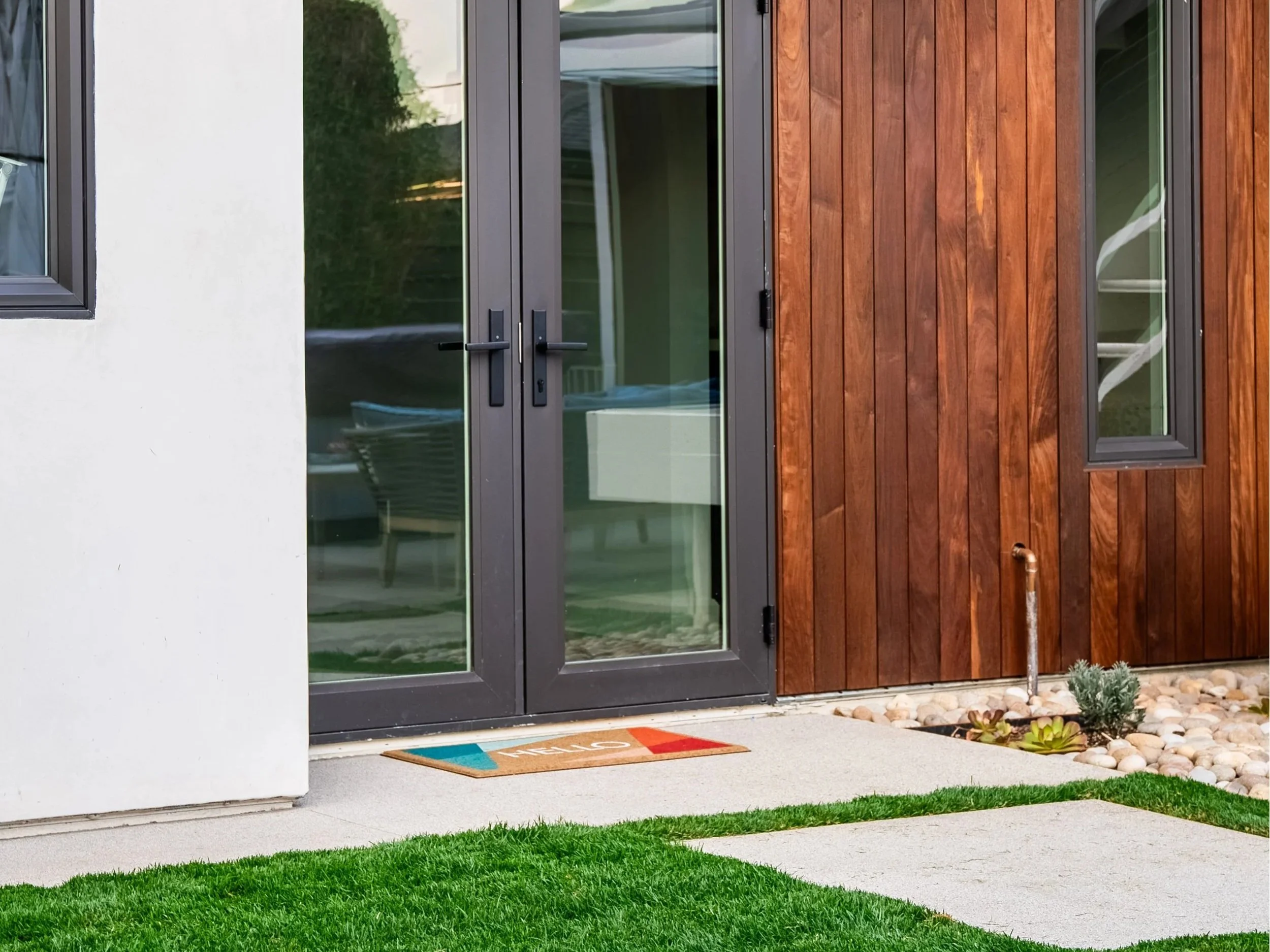
Home offices or studios
Long-term housing for future flexibility
What makes ADUs unique is that they’re not locked into one use. They adapt as your needs change.
How to Budget for an ADU in Orange County
ADU costs vary widely depending on size, type, and site conditions, but there are some consistent ranges.
Detached ADUs typically fall somewhere between $250,000 and $500,000+, depending on:
Square footage
Site access and utilities
Level of finishes
Whether you’re building from the ground up or converting existing space
Garage conversions and attached ADUs can be more cost-efficient, but they still require careful planning—especially when it comes to structural upgrades, insulation, and utilities.
Beyond construction, there are additional costs to factor in:
Design and engineering
Permits and city fees
Utility connections or upgrades
Title 24 energy compliance
These soft costs are often overlooked early but play a significant role in the total budget.
Financing Options for ADUs
Financing an ADU has become more accessible as demand has increased.
Common options include:
Cash-out refinance
Home equity line of credit (HELOC)
Construction loans
Renovation loans (like FHA 203k, depending on eligibility)
Some lenders are also starting to factor in projected rental income from the ADU when evaluating loan qualifications, which can help offset the cost from a financing standpoint.
The right approach depends on your current mortgage, equity position, and long-term goals.
How ADUs Impact Property Value
An ADU can significantly increase property value—but how much depends on how it’s designed and used.
In Orange County, well-executed ADUs often add value in two ways:
First, they increase the functional square footage of the property. Even though ADUs are typically considered secondary units, they still contribute to overall usability and appeal.
Second, they introduce income potential, which is something buyers are actively looking for. A property with an ADU isn’t just a home—it’s an asset that can generate revenue.
That said, not all ADUs are created equal. Poor design, limited privacy, or awkward placement can limit both usability and value.
The goal is to build something that feels intentional—not like an afterthought.
What to Consider Before Building
Even with favorable state laws, every property comes with its own constraints.
Things like:
Lot size and layout
Utility access
Easements and setbacks
HOA restrictions (in some cases)
Local city nuances beyond state law
These factors all influence what’s actually possible on your site.
The biggest mistake we see is jumping into design without fully understanding those constraints upfront.
Final Thoughts
ADUs have become one of the most practical ways to add space, flexibility, and long-term value to a property in Orange County.
They’re not just popular because of trends—they’re popular because they solve real problems. Housing costs, multigenerational living, income potential, and limited inventory all point back to the same solution.
When they’re designed and built correctly, ADUs aren’t just an addition to your property. They become one of the most valuable parts of it.
FAQ: What Homeowners in Orange County Want to Know
How much does it cost to build an ADU in Orange County?
Most ADUs in Orange County cost between $250,000 and $500,000+, depending on size, site conditions, and finishes. Garage conversions and attached units can be more cost-efficient, while detached ADUs typically cost more due to foundation, utilities, and full construction scope.
Can I legally build an ADU on my property in California?
In most cases, yes. California state law allows at least one ADU on single-family properties, and often more depending on the lot and existing structures. Local cities must approve ADUs that meet state requirements, making the process more predictable than it used to be.
Do I need parking for an ADU in Orange County?
Not always. Parking requirements are often waived, especially if:
The property is near public transit
You’re converting an existing structure (like a garage)
There’s already a primary residence on site
How long does it take to build an ADU?
Most ADU projects take 8 to 14 months total, including design, permitting, and construction. Timelines vary depending on the city, project complexity, and how early decisions are made.
Can I rent out my ADU?
Yes. ADUs can be used for long-term rentals, which is one of the main reasons they’ve become so popular. Short-term rental rules (like Airbnb) vary by city, so it’s important to check local regulations.
Does an ADU increase property value?
In most cases, yes. ADUs add value by:
Increasing usable living space
Creating rental income potential
Making the property more attractive to future buyers
The impact depends on design, size, and how well the ADU integrates with the main home.
What’s the difference between an ADU and a JADU?
A JADU (Junior ADU) is a smaller unit (typically up to 500 sq ft) that’s created within the existing home, often with a shared bathroom. A full ADU is a separate, fully independent living space.
What is the maximum size for an ADU in California?
State law allows detached ADUs up to 1,200 sq ft, but local rules and lot conditions can affect what’s actually feasible. Smaller ADUs (600–800 sq ft) are very common in Orange County due to lot constraints.
What’s the best use for an ADU?
It depends on your goals. Common uses include:
Rental income
Housing for family members
Guest house
Home office or studio
One of the biggest advantages of an ADU is flexibility—it can evolve over time.
Do I need a general contractor to build an ADU?
You’re not required to hire one, but most ADU projects involve multiple trades, permitting, and coordination. Working with a general contractor helps ensure the project is built correctly, stays on schedule, and meets all local requirements.